By implementing daily oral hygiene practices such as regular brushing and flossing, using the right tools, and seeking professional help, teeth plaque removal can be effectively achieved, preventing dental problems.
Achieving and maintaining optimal oral health requires a combination of effective tools and consistent oral hygiene practices.
By understanding the nature of plaque and its potential consequences, you can make informed decisions about the best tools to use for plaque removal.
Understanding Teeth Plaque
Teeth plaque is a soft, sticky film that forms on the surfaces of your teeth. It is composed primarily of bacteria, which thrive on the sugars and starches in the food you consume.
When these bacteria feed on the leftover food particles in your mouth, they produce acids that can damage your tooth enamel and lead to cavities.
Teeth plaque can also harden over time into tartar, which is more difficult to remove and can cause more severe dental issues.

Therefore, timely teeth plaque removal is crucial for overall oral health. You can choose between professional dental plaque removal or practical at-home methods.
Key Differences Between Plaque and Tartar
The table below helps you understand the fundamental differences between dental plaque and tartar more clearly.
| Feature | Teeth Plaque | Tartar |
|---|---|---|
| Structure | Soft and sticky | Hard and rough |
| Cleaning | Can be removed by brushing and flossing | Can only be removed by a dentist |
| Formation Time | Forms during the day | Can harden within 24–72 hours |
The Importance of Teeth Plaque Removal For Oral Health
Plaque buildup can lead to tooth decay, gum disease, and other dental issues if not addressed promptly.
Because when plaque is allowed to accumulate, it creates an environment where harmful bacteria can thrive, leading to inflammation and infection in the gums.
Therefore, this inflammation can cause the gums to pull away from the teeth, creating pockets that can become infected and lead to tooth loss if left untreated.
Common Causes of Plaque Buildup
Several factors contribute to the buildup of plaque on your teeth. These are generally;
- Not brushing teeth properly and regularly
- Neglecting to use dental floss
- Frequent consumption of sugary and acidic foods
- Dry mouth and reduced saliva production
- Smoking & tobacco use
- Not attending regular dental check-ups
The Effect of Poor Oral Hygiene
One of the most significant causes is poor oral hygiene. Failing to brush and floss regularly allows plaque to accumulate and harden into tartar.
Additionally, not visiting the dentist for regular cleanings and check-ups can exacerbate the problem, as professional cleanings are essential for removing tartar and preventing further plaque accumulation.
Importance of Diet
Also, foods such as candy, soda, bread, and chips are particularly notorious for contributing to plaque buildup.
Consuming high-sugar and starchy foods provides the bacteria in your mouth with the fuel they need to produce acids that attack your tooth enamel.
Therefore, limiting your intake of these foods and maintaining a balanced diet can help reduce plaque formation.
Other Common Factors
Other factors that can contribute to plaque buildup include dry mouth (xerostomia), which reduces the flow of saliva that helps wash away food particles and bacteria.
Smoking and tobacco use can also increase plaque formation and lead to more severe oral health issues.
Based on our clinical experience, we rarely observe dental problems related to plaque and tartar in individuals who maintain good general oral hygiene.
3D Smile Design Technology with Adalya Dental Clinic
Great Results in Dental Implants & All Treatments in Turkey
Get In Touch With Adalya Dental Clinic!
Best Tools For Effective Teeth Plaque Removal
Using the right tools can make a significant difference in your ability to effectively remove plaque and maintain good oral health. Plaque formation can be prevented with essential tools such as toothbrushes, dental floss, mouthwash, interdental brushes, and water flosser.
Tool 1: Toothbrush
One of the most important tools for teeth plaque removal is your toothbrush. While a manual toothbrush can be effective, many people find that an electric toothbrush offers superior plaque removal.
Electric toothbrushes often come with features such as timers and pressure sensors, which can help ensure that you are brushing for the appropriate amount of time and not applying too much pressure.
Tool 2: Dental Floss
Dental floss is an essential tool for plaque removal. Traditional dental floss is effective, but using floss according to an individual’s needs is more important and correct.
Because there are different types of dental floss for people with dental implants, and knowing how to floss dental implants is crucial for overall oral health.
Difference of Water Flosser
Water flossers, also known as oral irrigators, are an excellent addition to your oral hygiene routine. These devices use a stream of water to remove plaque and food particles from between your teeth and along the gumline.
Water flossers are particularly beneficial for individuals with braces, implants, or other dental work that makes traditional flossing challenging.
Tool 3: Mouthwash
Mouthwash can be a valuable addition to your oral care routine, providing an extra layer of protection against plaque and gum disease.
There are various types of mouthwash available, each with its specific benefits. Antimicrobial mouthwashes are designed to kill bacteria, reducing plaque and preventing gingivitis.
These mouthwashes often contain active ingredients such as chlorhexidine, cetylpyridinium chloride, or essential oils.
Tool 4: Interdental Brush
Interdental brushes are small, cone-shaped brushes designed to clean between the teeth and along the gumline. They can be particularly effective for removing plaque in hard-to-reach areas.
These small, cone-shaped brushes can reach areas that regular toothbrushes and floss cannot, providing a more thorough cleaning. They are available in various sizes to fit different spaces between your teeth.
Tool 5: Tongue Scraper
Tongue scrapers are another useful tool, as they help remove bacteria and debris from the tongue, which can contribute to plaque formation and bad breath.
Contact Us > Whatsapp
Dental Plaque Removal At Home
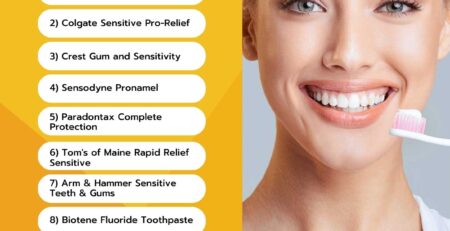
Toothbrushes, whether manual or electric, are among the most effective methods for dental plaque removal at home.
Additionally, dental floss is essential for removing plaque from between teeth and along the gum line and is a practical option you can use at home.
Furthermore, interdental brushes and water flossers dental cleaning devices are excellent tools for plaque management at home.
Natural Remedies For Teeth Plaque Removal At Home
1 – Oil Pulling
One popular natural remedy is oil pulling, an ancient practice that involves swishing a tablespoon of oil (such as coconut, sesame, or sunflower oil) around your mouth for 15-20 minutes.
Oil pulling is believed to reduce bacteria and plaque, freshen breath, and improve overall oral health.
2 – Baking Soda
Another effective natural remedy is the use of baking soda. Baking soda has mild abrasive properties that can help remove plaque and stains from your teeth.
You can create a paste by mixing baking soda with a small amount of water and brushing your teeth with it a few times a week.
However, be cautious not to use baking soda too frequently, as its abrasiveness can potentially damage your tooth enamel if overused.
3 – Green Tea
Green tea is also beneficial for oral health due to its antioxidant and anti-inflammatory properties. Drinking green tea regularly can help reduce plaque formation, lower the risk of gum disease, and freshen your breath.
4 – Apple Cider Vinegar
Apple cider vinegar is also known for its antibacterial properties and can be used as a natural mouthwash to help reduce plaque and freshen breath.
Dilute one tablespoon of apple cider vinegar in a cup of water and swish it around your mouth for about 30 seconds before spitting it out.
However, be sure to rinse your mouth with water afterward, as the acidity of the vinegar can erode tooth enamel if used too frequently.
looking for dental treatments abroad?
Affordable Turkey Teeth Package Deals With Us
Check Out Our Pages And Reach Our Expert Team
The Importance of Professional Dental Intervention in Teeth Plaque Removal
Even with the best at-home dental care routine, it’s essential to visit your dentist regularly for professional dental cleanings.
Professional cleanings, typically recommended every 6 months, are crucial for removing plaque and tartar that has hardened and cannot be removed through regular brushing and flossing.
How The Dentist Do The Cleaning?
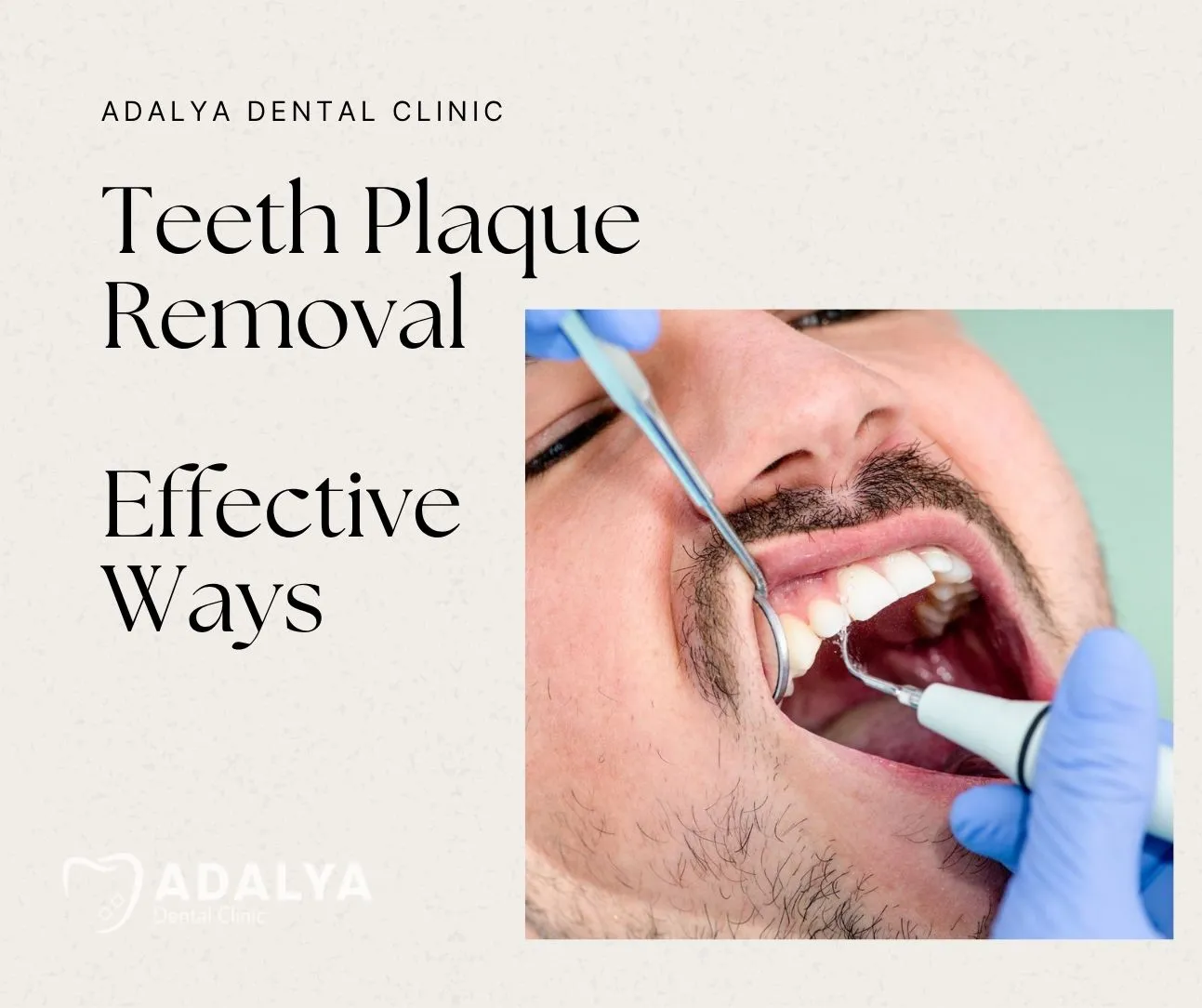
During a professional cleaning, a dentist or dental hygienist will use specialized tools to remove plaque and tartar from your teeth, including areas that are difficult to reach with regular brushing and flossing.
This process, known as scaling, involves the use of ultrasonic instruments and hand scalers to gently remove buildup from the tooth surfaces and below the gumline.
After the scaling process, the dentist will perform a procedure called polishing, which involves using a rotary brush and a mildly abrasive paste to remove surface stains and smooth the tooth surfaces.
Polishing helps make your teeth look brighter and feel smoother, and it can also make it more difficult for plaque to adhere to your teeth in the future.
FAQ'S
You can find information for teeth plaque removal by examining frequently asked questions.
Yes. Brushing removes a large portion of the plaque layer on the tooth surface. However, dental floss is also necessary to remove plaque between the teeth.
Dental floss helps remove plaque and food particles that accumulate between teeth where a toothbrush cannot reach.
Yes. Dental plaque can be controlled with regular brushing, flossing, and professional dental cleaning. However, hardened teeth plaque can only be removed by a dentist.
Soft teeth plaque can largely be reduced at home with proper oral care habits. However, dental plaque that has turned into tartar requires professional cleaning.
Dental plaque can begin forming on teeth within just a few hours after eating. When bacteria in the mouth combine with food particles and saliva, they start creating a sticky film on the tooth surface.
If plaque is not removed through regular brushing and flossing, it can harden and turn into tartar within 24 to 72 hours.
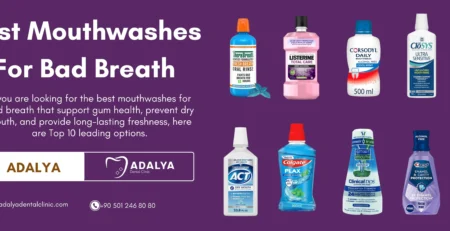
Dental plaque removal mouthwash can also be used as part of a daily oral care routine to help reduce bacteria and support plaque control.
However, mouthwash alone cannot remove the plaque layer on the tooth surface. For the best results, it should be used together with brushing and flossing.