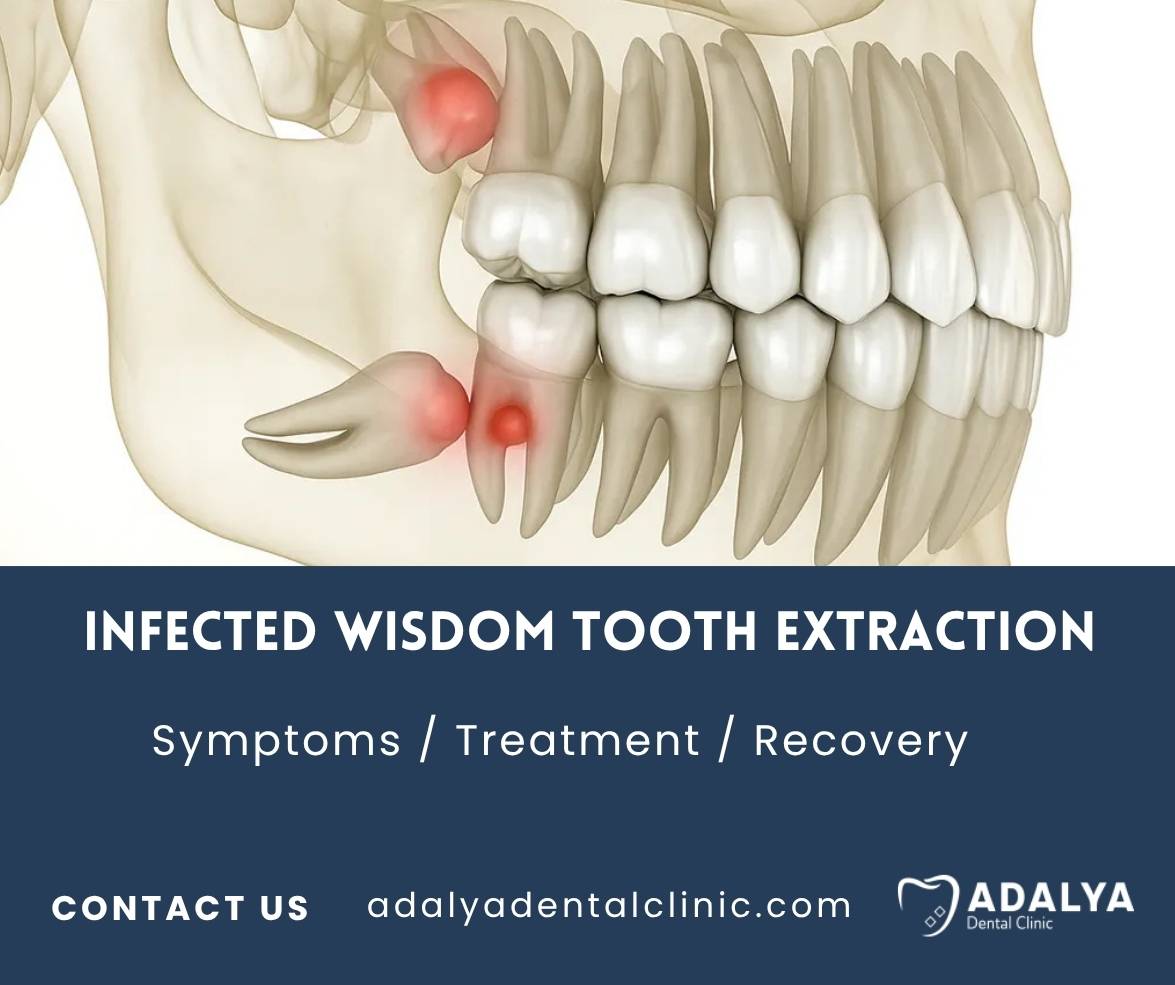
An infected wisdom tooth can cause serious problems for a person and requires immediate intervention, including extraction and post-treatment care and follow-up. If left untreated, it can cause severe pain, swelling, and difficulty opening the mouth.
Wisdom tooth removal is often necessary to prevent or treat infections. This procedure can alleviate pain and prevent further complications. However, infections can still occur after extraction. Proper oral hygiene is essential to minimize this risk.
Understanding Wisdom Teeth and Infections
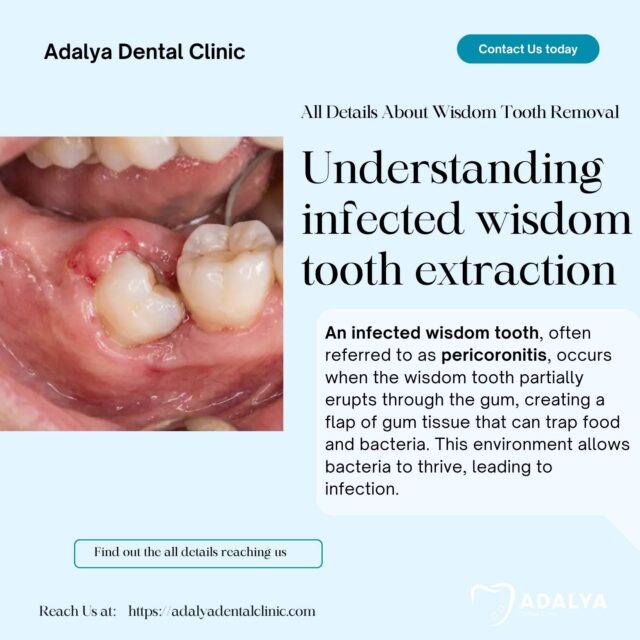
An infected wisdom tooth, often referred to as pericoronitis, occurs when the wisdom tooth partially erupts through the gum, creating a flap of gum tissue that can trap food and bacteria. This environment allows bacteria to thrive, leading to infection.
Wisdom teeth, also known as third molars, typically emerge in late adolescence or early adulthood, and due to limited space in the mouth, they can often come in at awkward angles or become impacted.
Impacted wisdom teeth are those that do not have enough room to emerge or develop normally. This can lead to a variety of dental issues, including infections, cysts, and damage to adjacent teeth.
However, the infection is not only painful but can also lead to more severe health problems if left untreated.
Signs and Symptoms of an Infected Wisdom Tooth
An infected wisdom tooth may present itself with the following symptoms:
- Persistent pain in the back of the jaw
- Swelling and redness in the gums
- Swelling in the face or jaw (swelling)
- Bad taste or bad odor in the mouth
- Difficulty opening the mouth (trismus)
- Pain while swallowing
- Fever and general fatigue
- In some cases, development of dental abscess
These symptoms indicate that the need for infected wisdom tooth extraction is increasing.
How to Extract an Infected Wisdom Tooth?
Infected wisdom tooth extraction is a common dental procedure. Dentists perform this to alleviate pain and prevent further complications. However, because this procedure is risky, the removal of an infected wisdom tooth should be performed by an oral surgeon.
The oral sugeon evaluates the spread of infection through examination and X-rays and may prescribe antibiotics before the procedure if necessary.
Overview of the infected wisdom tooth extraction process:
- Local anesthesia is administered to numb the area
- An incision is made in the gum to expose the tooth
- The tooth is extracted, sometimes in sections
- The area is cleaned to remove debris
- Stitches may be placed to help the gum heal
Post-procedure care is crucial. Following your dentist’s instructions enhances recovery and reduces infection risks.
Risks and Complications of Infected Wisdom Tooth Extraction
Infected wisdom tooth extraction can pose several risks and complications.
One major risk is the spread of infection to other areas. Without timely treatment, bacteria can migrate and cause more extensive health issues.
Pain and swelling are common complications. These symptoms can delay healing and impact daily activities.
In some cases, nerve damage may occur. This could lead to numbness or tingling in the lips or tongue, though it’s often temporary.
Other potential issues include delayed healing, excessive bleeding, and jaw stiffness.
Here’s a summary of potential risks of infected wisdom teeth removal:
- Spread of infection
- Persistent pain and swelling
- Possible nerve damage
- Delayed healing process
- Jaw stiffness and excessive bleeding
Infected Wisdom Tooth Extraction Cost
Without insurance, the cost of infected wisdom tooth extraction ranges between $300 – $1,200 per tooth; with insurance, it ranges from $100 to $500. Overall, the total cost depends on the tooth’s situation (whether it’s fully erupted or impacted), the type of anesthesia required, and your geographic location.
3D Smile Design Technology with Adalya Dental Clinic
Great Results in Dental Implants & All Treatments in Turkey
Get In Touch With Adalya Dental Clinic!
Causes of Infection After Wisdom Tooth Removal
One primary cause of infection after wisdom tooth extraction is poor oral hygiene following the extraction. Failure to keep the site clean allows bacteria to proliferate, leading to infection.
Another contributing factor is the presence of a dry socket. This occurs when the blood clot at the extraction site dislodges or dissolves before healing.
Remaining tissue or tooth fragments at the extraction site can also cause problems. Additionally, smoking or using tobacco products soon after the procedure increases infection risk.
Key causes of infection after wisdom teeth removal:
- Inadequate oral hygiene practices after extraction
- Occurrence of a dry socket impeding healing
- Remnants of tissue or tooth fragments at the site
- Smoking or tobacco use disrupting the healing process
What to Do If You Suspect an Infection After Wisdom Tooth Extraction?
Suspecting an infection after wisdom tooth extraction requires prompt action. Early intervention can prevent serious complications.
Here are important steps if you suspect an infection:
- Monitor symptoms like pain, swelling, and fever
- Contact your dentist for professional advice
- Follow prescribed treatments, including antibiotics
- Maintain oral hygiene with salt water rinses
Contact Us > Whatsapp
Post-Extraction Care: Preventing and Managing Infection After Wisdom Teeth Removal
To reduce the risk of infection after wisdom tooth extraction, proper aftercare is essential. Following your dentist’s instructions carefully helps protect the healing area and supports a smooth recovery process.
Here are key post-extraction care tips:
- Rest during the first 24 hours to allow initial healing
- Avoid using straws to prevent blood clot disruption
- Do not smoke, as it significantly increases infection risk
- Gently rinse with warm salt water after 24 hours
- Avoid hard, crunchy, or spicy foods that may irritate the area
- Alcohol hinder healing. Abstain from these to optimize recovery and minimize infection risk.
These steps help minimize bacterial growth and reduce the chance of complications such as swelling, pain, or dry socket.
looking for dental treatments abroad?
Affordable Turkey Teeth Package Deals With Us
Check Out Our Pages And Reach Our Expert Team
When to See a Dentist: Warning Signs and Emergency Symptoms
Knowing when to see your dentist after wisdom tooth extraction is crucial to prevent formation of an infected area and complications. Certain symptoms should not be ignored.
Persistent swelling, severe pain, or prolonged bleeding should prompt a dental visit. Also, look out for signs such as high fever or difficulty opening your mouth. Additionally, bad breath and a foul taste may suggest an infection.
Here’s a quick list of warning signs:
- Persistent, severe swelling
- Prolonged, intense pain
- High fever or chills
- Difficulty opening mouth
- Continuous bleeding
Being vigilant about these signs can prevent serious issues like infected area after wisdom teeth extraction. Early intervention often means simpler treatment and a quicker recovery.
FAQ'S
You can find more informations about infected wisdom teeth extraction by examining frequently asked questions.
The infected wisdom tooth extraction procedure itself is not painful because it is performed under anesthesia. However, mild discomfort and swelling are normal during the recovery period.
In most cases, the pain is most severe during the first 2-3 days. However, the pain usually decreases significantly within a week.
If the pain increases, it may be a sign of infection, and you should consult your doctor immediately.
In some cases, a tooth abscess can develop rapidly within 24–72 hours, especially if caused by deep decay or trauma.
If the infection develops in the wisdom tooth extraction area, healing may be delayed, and the infection can spread to surrounding tissues.
Therefore, you should consult your doctor immediately and begin early medication and regular follow-up to prevent complications.
One of the most common misconceptions is that antibiotics alone can completely treat the infection. Antibiotics can temporarily reduce inflammation-related pain and swelling.
However, this treatment only controls the infection; it does not eliminate the source of the problem.
As long as the underlying cause, which is an impacted or partially erupted tooth, remains in place, recurrence of symptoms is very common.
Therefore, antibiotics are generally used only for temporary control or as supportive treatment before infected wisdom tooth extraction.
Most patients recover within 7 to 10 days after wisdom teeth extraction. Swelling usually peaks within the first 2–3 days and gradually improves afterward.
If infected wisdom teeth left untreated, the infection can spread to surrounding tissues, jawbone, and even other parts of the body, leading to serious complications.