
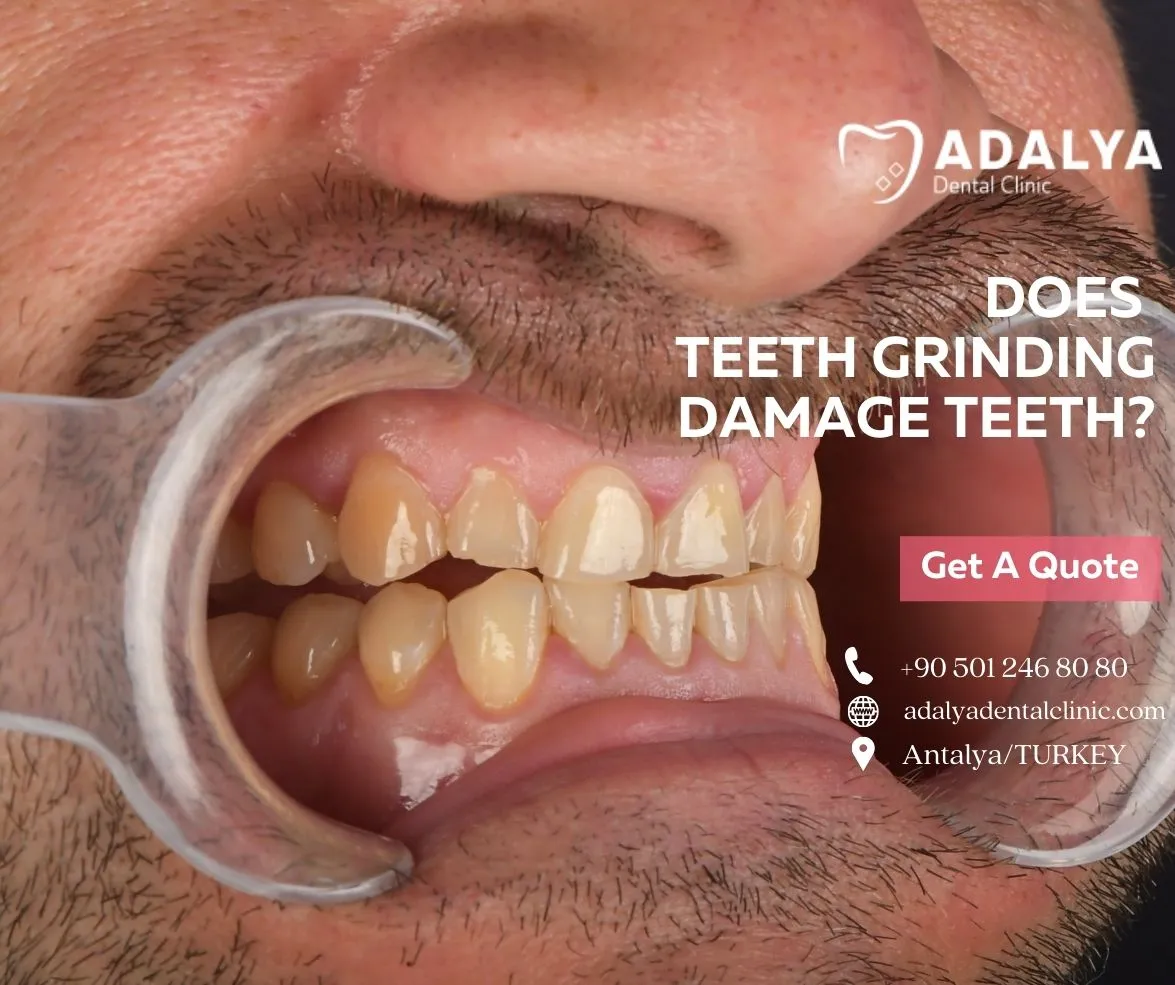
Teeth grinding and clenching is a condition that most people experience without realising it, but over time it can cause significant damage teeth. This habit, known as bruxism, usually occurs during sleep, but can also happen while awake.
Many people are unaware that they grind their teeth until complications arise. Therefore, failure to detect it early on can seriously affect long-term oral and jaw health.
So, is teeth grinding harmful to your teeth? In this article, we will discuss the effects of bruxism in detail and what you can do to prevent them.
What is Teeth Grinding (Bruxism)?
Teeth grinding, medically termed bruxism, is an involuntary habit. People often grind, clench, or gnash their teeth unconsciously. It can occur both during the day and night.
Several factors can lead to bruxism. Stress and anxiety are common triggers. Additionally, misaligned teeth or an abnormal bite may also contribute.
Although many people are unaware of their teeth grinding, the condition manifests itself through visible symptoms.

Common Signs and Symptoms of Teeth Grinding
- Enamel erosion
- Tooth fractures and cracks
- Shortening of teeth
- Increased risk of decay
- Pain, pressure or limited movement in the jaw
- Facial asymmetry and headache
All of these conditions can be easily detected with regular check-ups. Therefore, it is important not to neglect your dental appointments so that any potential problems can be prevented through early diagnosis.
How Does Teeth Grinding Damage Teeth?
Teeth grinding can lead to permanent damage on teeth. Continuous pressure and friction wear down the tooth enamel. Therefore This wear can result in irreversible changes to the shape and function of teeth.
The longer bruxism is left untreated, the more severe the damage on theeth. Because teeth may become chipped, cracked, or even loose. These conditions can require extensive dental work to correct.
Damage From Teeth Grinding
- Severe enamel erosion: Thinning of the enamel layer significantly increases sensitivity to hot and cold.
- Tooth fractures and cracks: Severe grinding can cause micro-cracks or complete fractures.
- Shortening of teeth: Prolonged pressure can cause teeth to become excessively flat and lose size.
- Increased risk of decay: As the enamel wears away, teeth become more exposed to external factors.
- Permanent changes to tooth alignment: Constant and intense pressure on the teeth is one of the causes of misalignment of the teeth.
Early diagnosis and appropriate treatment will help protect your dental health. Furthermore, it will protect your teeth from permanent damage caused by teeth grinding and the cost of extra dental procedures.
3D Smile Design Technology with Adalya Dental Clinic
Great Results in Dental Implants & All Treatments in Turkey
Get In Touch With Adalya Dental Clinic!
Other Effects of Teeth Grinding Besides Damage Teeth
Prolonged teeth grinding can cause changes in your facial appearance and quality of life. This is because excessive clenching can cause the muscles in the jaw area to enlarge, leading to a more pronounced square jaw appearance.
Addressing these effects early is vital not only for oral health but also for overall well-being.
Teeth Grinding Damage For The Jaw Joint
Bruxism affects not only the teeth but also the jaw joint (TMJ) and surrounding muscles. These affects:
- Clicking or grinding sounds when opening and closing the jaw
- Pain, pressure or limited movement in the jaw
- Stiffness in the jaw muscles upon waking in the morning
- Structural deterioration of the jaw joint over time
- Jaw displacement or locking
As this condition progresses, it can negatively impact daily life and even make it difficult to open the mouth. Furthermore, advanced teeth grinding can have effects on the face and head.
Effects on Head and Facial Pain of Teeth Grinding
During teeth clenching, the jaw muscles become fatigued throughout the night. As these muscles are connected to many muscle systems in the face and head region, bruxism can cause:
- Tension-type headaches
- Pain in the temple and forehead region
- Facial asymmetry
- Pressure and pain around the ears
Contact Us > Whatsapp
Effective Treatment Methods for Teeth Grinding
Teeth grinding treatment varies depending on the cause and severity of the individual’s complaints. Stress management may be sufficient for some people, but in some cases, treatments that relax the jaw muscles may be necessary.
Therefore, the problem is evaluated in conjunction with both daytime habits and teeth grinding behaviour that occurs during night-time sleep.
Recommended Treatment Methods For Teeth Clenching
Night Guards (Mouth Guards)
Using a night mouth guard for teeth grinding reduces the tooth contact throughout the night, they prevent wear and tear and also alleviate the pressure on the jaw joint.
Masseter Botox Application
Masseter botox helps reduce involuntary clenching by relaxing the overactive jaw muscles. It is particularly successful in people who grind their teeth at night.
Stress Management
Meditation, breathing exercises, and even small changes in your sleep routine can reduce the tension that builds up in your jaw muscles throughout the day, thereby reducing the severity of teeth grinding and damage.
Dental Procedures
If there are bite problems or dental issues affecting load distribution, orthodontic or restorative procedures (dental crowns & composite fillings) can positively influence the process by reducing unnecessary pressure on the jaw joint.
So, dental treatments are among the most important factors in reversing the damage caused by teeth grinding.
Can You Reverse Damage From Teeth Grinding?
Reversing damage from teeth grinding is challenging, but not impossible. The extent of the damage determines the possibilities for restoration. Early intervention offers the best chances for repair.
Various dental procedures can help restore damaged teeth. Dentists commonly use fillings, crowns to address wear and tear. These treatments aim to restore function and appearance.
With careful management by dental professionals, you can improve your dental health and reduce future harm from grinding.
Long-Term Risks of Teeth Grinding
- Increased risk of tooth loss
- Degeneration of the jaw joint (TMJ disorders)
- Hyperactivity and muscle growth in the facial muscles
- Sleep disruptions and insomnia
- Daytime fatigue and concentration difficulties
looking for teeth packages abroad also?
Affordable Turkey Teeth Package Deals With Us
Check Out Our Pages And Reach Our Expert Team
When to See a Dentist and What to Expect
Early intervention can prevent severe damage from teeth grinding. Therefore, regular dental visits are key to catching problems early.
If you notice signs of teeth grinding like enamel erosion, tooth cracks, shortening teeth or pain on your teeth and jaw.
During the appointment, the dentist will conduct a thorough exam. They may ask about symptoms such as jaw pain or headaches. Dental X-rays might be used to assess the extent of any damage.
Therefore, a dental visit can provide reassurance and guide you to solutions for teeth grinding.
FAQ'S
You can find information about the teeth grinding damage by examining frequently asked questions.
The most common cause of teeth grinding is stress. In addition, sleep disorders, anxiety, malocclusion, overuse of the jaw muscles, and certain neurological conditions can also trigger bruxism.
Morning jaw pain, pressure in the temple area, wear on the tooth surface, and increased sensitivity are the most obvious signs of teeth grinding during sleep.
Mild cases may decrease periodically, but it usually does not go away completely on its own. If left untreated, it can lead to permanent damage such as enamel wear, jaw joint pain, and tooth fractures.
A general dentist should be consulted first for teeth grinding complaints. When necessary, other specialties such as maxillofacial surgery, orthodontics, or neurology may also be involved in treatment.
A night guard does not completely stop grinding. However, it protects the teeth, reduces the pressure on the jaw joint, and significantly alleviates morning pain.
For this reason, it is one of the fundamental components of bruxism treatment.
Botox applied to the masseter (chewing) muscle reduces excessive muscle activity, significantly alleviating grinding. When administered at the correct dose, it does not compromise facial aesthetics and is a safe treatment.
Excessive activity of the jaw muscles throughout the night can cause pressure-type headaches, particularly in the temple and forehead regions. A significant portion of the pain felt upon waking in the morning is caused by bruxism.
Untreated bruxism over a long period can lead to dysfunction in the jaw joint (TMJ), clicking sounds, a feeling of displacement, and limited mouth opening.
Teeth grinding is common in children and is often temporary. However, if there is pain, sensitivity, or intense grinding behaviour, it should be evaluated by a paediatric dentist.
The constantly working chewing muscles (masseter) can enlarge over time and cause widening or asymmetry in the lower part of the face. This can become aesthetically noticeable.
The duration of treatment varies from person to person. Night guards provide relief from the first few weeks. The effect of Botox treatments lasts 3–4 months. If there is a malocclusion, the orthodontic process may take longer.
