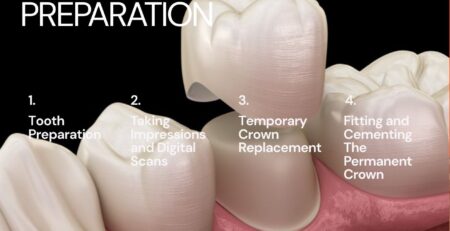
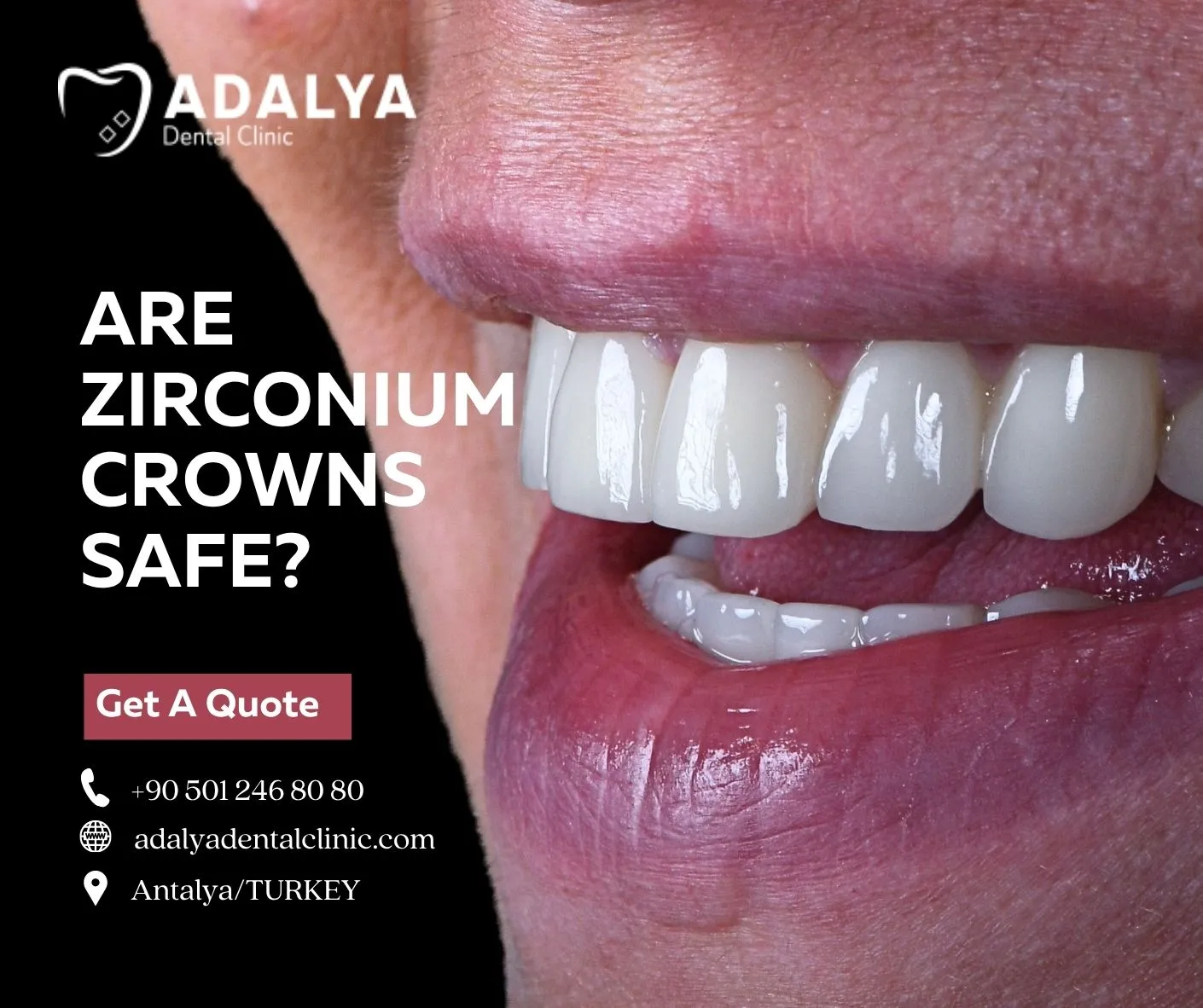
Zirconia crowns offer a range of benefits that make them an attractive option for dental restorations. The biocompatibility of zirconium crowns ensures that they are safe for patients with metal sensitivities or allergies, and their resistance to temperature changes and chemical corrosion contributes to their long-term success.
Their natural appearance, strength, and durability make zirconia crowns suitable for both front and back teeth, providing patients with a reliable and aesthetically pleasing solution. However, using it on the right person is important.
What Are Zirconium Crowns Made Of?
Zirconium crowns are crafted from zirconium dioxide, a material that boasts impressive strength and durability. But zirconium dioxide is a type of ceramic, specifically a crystalline oxide of zirconium.
This ceramic is known for its translucency, which closely mimics the appearance of natural teeth, making it a popular choice for dental restorations.
Additionally, the material is biocompatible and safe, meaning it is well-tolerated by the human body and unlikely to cause allergic reactions or adverse responses.
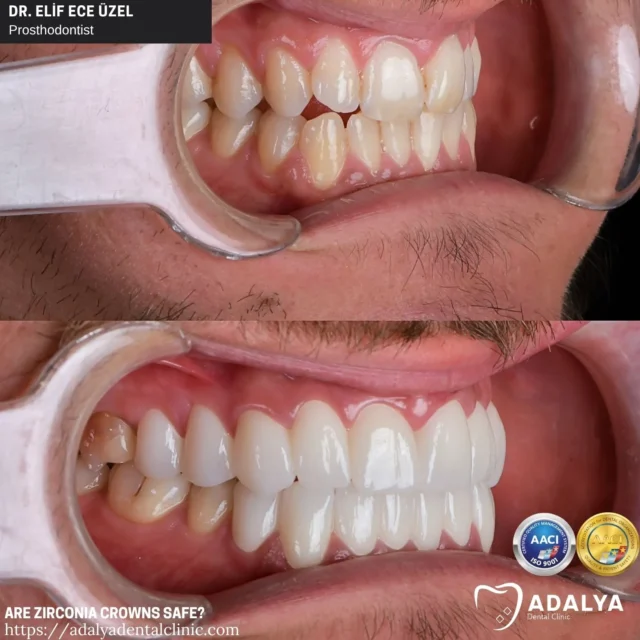
Are Zirconium Crowns Safe? Safety Concerns
Zirconium crowns are generally regarded as safe dental crowns for the when used appropriately by a qualified dental professional. In dentistry, “zirconium crown” usually refers to a crown made from zirconia, or zirconium dioxide, a ceramic material valued for strength, chemical stability, and tissue compatibility.
Based on years of clinical research and experience, zirconium is known to be highly biocompatible and is not associated with sensitivity or allergic reactions as is the case with some metallic dental materials.
Safety Concerns On Zirconium Crowns
Despite the numerous advantages of zirconium crowns, some patients may have concerns about their safety.
Biocompatible or Not?
One common question is whether zirconium crowns contain any harmful substances. However, it is important to note that zirconium dioxide is a biocompatible material, meaning it is not toxic and does not cause adverse reactions in the body.
Does it Harm The Opposing Teeth or Not?
While zirconium is a very hard material, advancements in dental technology have allowed for the production of zirconium crowns with a smooth, polished surface. Therefore this polished surface reduces friction and minimizes the risk of wear on the opposing teeth.
Additionally, dentists can adjust the occlusion (bite alignment) to ensure that the zirconium crown does not place undue pressure on the opposing teeth.
Does it Break Easily or Not?
Studies have shown that zirconium crowns have a very low failure rate, particularly when compared to other types of dental crowns.
However, proper care and maintenance, along with regular dental check-ups, can further reduce the risk of complications and ensure the long-term success of zirconium crowns.
At Adalya Dental Clinic, thanks to our high-quality laboratory and dentists, we provide extremely safe, long-lasting, and natural-looking zirconium crown treatments in Turkey.
3D Smile Design Technology with Adalya Dental Clinic
Great Results in Dental Implants & All Treatments in Turkey
Get In Touch With Adalya Dental Clinic!
The Benefits of Zirconium Crowns
Zirconia crowns are popular because they address many common patient concerns simultaneously. Because they are tooth-colored, metal-free, and strong enough for many challenging situations.
Especially for patients who want a natural-looking crown without opting for a metal-based restoration, zirconia often offers a practical middle ground.
What Are The Benefits of Zirconium Crown Procedure?
Zirconium crowns offer a range of benefits that make them an attractive option for dental restorations. Their natural appearance, strength, and durability make them suitable for both front and back teeth, providing patients with a reliable and aesthetically pleasing solution
High Aesthetic Quality
The translucency of zirconium closely resembles that of natural teeth, allowing for a seamless blend with the surrounding dentition. This feature is particularly important for crowns placed on front teeth, where appearance is a significant concern.
Additionally, zirconium crowns can be color-matched to the patient’s natural tooth shade, further enhancing their visual appeal and ensuring a natural-looking smile.
However, this applies only to dental clinics and dentists who maintain high laboratory standards and use high-quality zirconium material.
Biocompatibility With The Body
Since zirconium dioxide is a ceramic material, it is non-reactive and does not cause allergic reactions. Therefore, biocompatibility with the body makes zirconium crowns a safe option for patients with metal sensitivities or allergies.
High Strength and Durability
Zirconia teeth’s strength makes it useful for posterior teeth, where crowns must withstand repeated forces from biting and grinding.
This does not make zirconia indestructible. But it can reduce the chance of the kind of porcelain chipping that frustrates patients who have had older layered restorations.
Moreover, zirconium is resistant to temperature changes, reducing the risk of discomfort from hot or cold foods and beverages.
Contact Us > Whatsapp
What Problems Can Zirconia Crowns Cause?
Zirconium crowns can present problems if the material selection is incorrect, the bite position is not adjusted, the crown is roughened and unpolished during adjustment, or if disease develops in the underlying tooth.
The most common concerns include: fit, aesthetics, gingival response, bite comfort, retention, and wear patterns. In general, complications of zirconia include fracture, cracking, loss of adhesion, and wear issues.
However, outcomes vary depending on the crown type and clinical situation. Therefore, the correct clinical approach and the selection of high-quality materials directly affect the safety of zirconium crowns.
How to Reduce Zirconia Crown Risks?
- Confirming the tooth is restorable. A crown should not be used to hide an active infection, deep crack, or untreated periodontal problem.
- Choosing the right zirconia type and quality. Back teeth, front teeth, implants require high quality and different crown designs.
- Preparing enough space. Zirconia needs adequate thickness without unnecessarily removing healthy tooth structure.
- Creating a clean margin. The edge of the crown should seal well and allow the patient to clean around it.
- Checking the bite carefully. High spots can cause pain, sensitivity, or crown failure.
- Polishing after any adjustment. A smooth surface helps reduce irritation and wear risk.
- Using the correct cement or bonding protocol. Retention depends on crown design, tooth structure, moisture control, and material-specific steps.
- Protecting against grinding. A night guard will be recommended for patients with bruxism.
If a crown feels high, sharp, rough, or uncomfortable after the numbness wears off, do not “wait months and see” without contacting the dental office. Small adjustments can prevent bigger problems.
looking for dental treatments abroad?
Affordable Turkey Teeth Package Deals With Us
Check Out Our Pages And Reach Our Expert Team
Longevity and Durability of Zirconium Crowns
Zirconium dioxide is the material used in the manufacture of zirconia crowns, and it is incredibly strong and resistant to wear and fracture. Therefore, zirconium crowns are safe and an ideal choice for patients who need durable dental restorations that can withstand the daily pressures of chewing and biting.
Clinical results have shown that zirconium crowns have a high success rate and, with proper care, regular check-ups, and monitoring, can last at least 10-15 years.
Durability Characteristics of Zirconium Crowns
The durability of zirconium crowns is further enhanced by their resistance to temperature changes and chemical corrosion. Unlike some other materials, zirconium does not expand or contract significantly with temperature fluctuations, reducing the risk of cracks or fractures.
Additionally, zirconium is resistant to the acidic environment in the mouth, which helps prevent degradation over time. This means that zirconium crowns are less likely to fail or require frequent repairs, providing patients with a reliable, safe and long-lasting dental restoration.
How to Care For A Zirconia Crown
Zirconia crowns require little maintenance, but they are not a completely maintenance-free solution. While the ceramic itself doesn’t decay, if zirconia crowns are not properly cared for and cleaned, decay can develop in the underlying tooth.
Similarly, improper cleaning can lead to plaque buildup at the gum line and gingivitis. Therefore, this can directly affect the seal, comfort, and lifespan of the zirconia restoration.
Care and Daily Habits for Long-Lasting Zirconium
- Brush twice daily with a fluoride toothpaste unless your dentist recommends otherwise.
- Clean between the crown and neighboring teeth with floss, interdental brushes, or a water flosser.
- Avoid using crowns to bite fingernails, open packaging, or chew ice.
- Wear a night guard if your dentist diagnoses clenching or grinding.
- Keep regular dental checkups so the margins, bite, and gums can be monitored.
- Report a loose crown, bad taste, swelling, or pain promptly.
- Ask for polishing if a crown feels rough after an adjustment.
These habits and care practices make zirconium crowns a very safe procedure and ensure their longevity.
FAQ'S
You can find more informations about zirconium crowns by examining frequently asked questions.
The price range for zirconium crowns varies between $1,200-$2,000 in the US, £600-£1,000 in the UK, and €500-€1,200 in Germany. However, zirconium crowns prices in Turkey ranges from £125-£200 ($170-$270).
Clinical results have shown that zirconia crowns have a high success rate and, with proper care, regular check-ups, and monitoring, can last at least 10-15 years.
Zirconium crowns are fixed and long-lasting restorations. However, it would be a bold claim to say they are permanent lifetime. Nevertheless, with good care, oral hygiene, and overall health, some individuals do use them for a lifetime.
The key factors here are good oral hygiene, healthy gums, careful use, and good overall health.
One of the most significant advantages of zirconium crowns is their longevity and durability. Because zirconium dioxide, the material used to make these crowns, is incredibly strong and resistant to wear and fracture.
There is no single winner for every mouth, but there are reliable patterns dentists use when recommending zirconia crowns. The most suitable material is usually chosen by matching the crown’s job to the patient’s bite and cosmetic goals.
However, monolithic zirconia is a better option for those with excessive teeth grinding problems and for posterior tooth restorations. But for those who want higher aesthetics and a more natural look, especially in front teeth, high-translucent, multilayer, or layered zirconia crowns are more suitable.
Zirconia crowns are resistant to staining, but they are not completely immune to discoloration in the broader sense. The zirconia itself does not stain like natural enamel.
But surface glaze, cement edges, plaque buildup, scratches, smoking, coffee, tea, red wine, and poor polishing can affect how the zirconium crown looks over time.
Zirconia crowns are often better than porcelain crowns when strength and chip resistance are the main goals. However, porcelain can be better when maximum translucency and enamel-like beauty are the priority.