
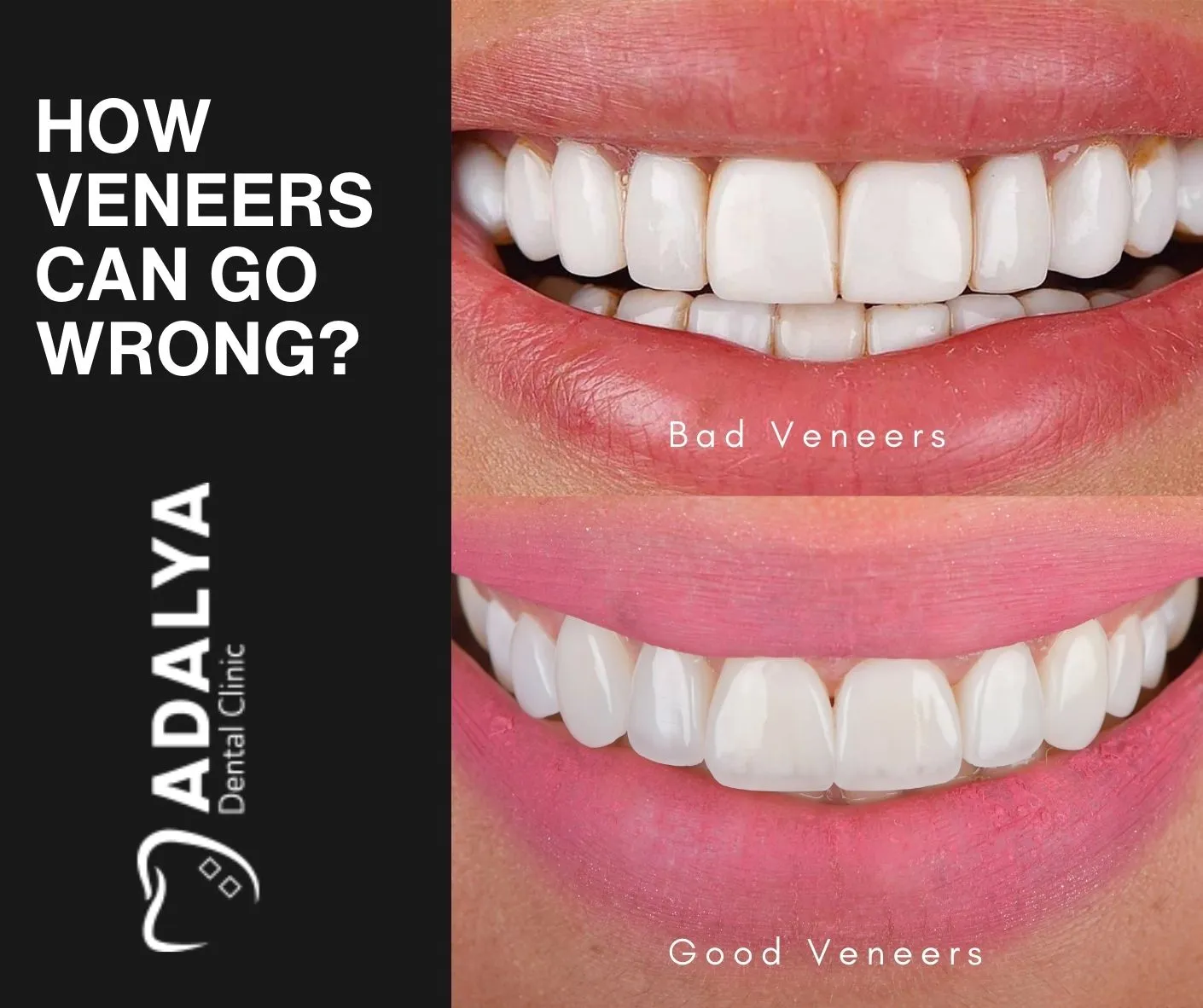
Choosing an experienced and reputable dentist, opting for high-quality veneers, not being swayed by cheap prices, and following regular care instructions are crucial for preventing veneers gone wrong. Otherwise, the veneers will likely cause issues very soon.
Achieving a successful veneer application involves careful planning, precise execution, and diligent maintenance. By understanding common mistakes and how to avoid them, patients can improve their chances of a satisfying outcome.
The Reasons People Choose Dental Veneers
People opt for veneers for a variety of reasons, primarily driven by the desire for a more aesthetically pleasing smile.
One of the most common motivations is to address discoloration. Veneers can provide a consistent and bright appearance, enhancing the overall look of your teeth.
Another reason individuals choose veneers is to correct minor cosmetic issues such as chipped, worn down, or uneven teeth.
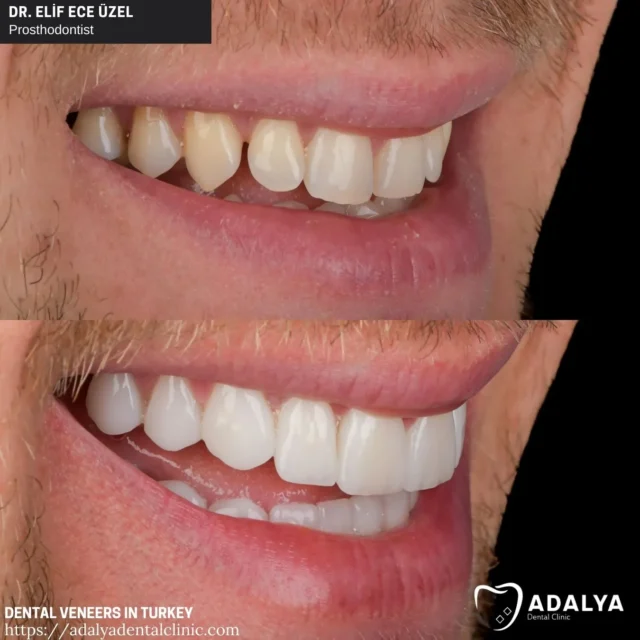
Additionally, veneers can close small gaps between teeth, offering an alternative to orthodontic treatments like braces. However, beyond cosmetic improvements, veneers can also contribute to improved confidence and self-esteem.
How Veneers Can Go Wrong?
The allure of veneers is undeniable, yet several pitfalls can mar the experience. A common mistake is rushing the decision. Patients should take time to research and thoroughly consult with their dentist.
Selecting a dentist based on cost alone can be detrimental. Experience and expertise should weigh heavily in the decision. An accomplished dentist ensures accuracy in fit and placement.
Ignoring aftercare instructions is another error. Proper maintenance is vital for veneers’ longevity. Regular check-ups and good oral hygiene should not be overlooked.
Key Mistakes For Veneers Go Wrong
- Rushing the decision-making process
- Choosing a dentist solely on cost
- Ignoring maintenance instructions
- Overlooking risks and benefits discussion
- Skipping regular dental check-ups
Furthermore, dentists who perform veneers on unsuitable individuals solely for profit also contribute to teeth veneer treatment go wrong.
Therefore, you need to thoroughly research whether you are a suitable candidate for dental veneer treatment.
Who Should Not Get Veneers?
- Individuals with severe tooth decay
- Patients with active gum disease
- Individuals with chronic teeth grinding
- Patients with allergies to veneer materials
We do not recommend dental veneers in Turkey for patients with these characteristics. We recommend other treatments such as crowns for these patients. Otherwise, they will inevitably experience problems in their treatment.
How Turkey Veneers Can Go Wrong?
One of the most common mistakes people make is choosing a dental clinic in Turkey based solely on price. It’s essential to balance cost with quality and choose a clinic that offers good value for money.
Because opting for the cheapest option can result in subpar materials, inadequate care, and unsatisfactory results.
Additionally, pay attention to the qualifications of the dental team. A clinic with a team of experienced and certified dentists is more likely to provide high-quality care.
Check if the clinic has any international accreditations or affiliations, as these can be indicators of adherence to global standards.
If you don’t choose dental clinics in Turkey that meet these requirements, your veneers treatment will start to go wrong in a short time.
3D Smile Design Technology with Adalya Dental Clinic
Great Results in Veneers Treatments With Us in Turkey
Get In Touch With Adalya Dental Clinic!
Bad Veneers vs Good Veneers: Characteristics of Them
The quality of dental veneers is paramount to achieving a desirable outcome. High-quality veneers not only look more natural but also last longer and function better.
Poor-quality veneers, on the other hand, can lead to a host of problems including discomfort, poor aesthetics, and even damage to the natural teeth.
Therefore, it is crucial to choose veneers made from high-quality materials and crafted by a skilled dentist.
Characteristics of Good Veneers
One of the most important characteristics is their natural appearance. High-quality veneers are designed to mimic the translucency and texture of natural teeth, which makes them virtually indistinguishable from the real thing.
Another characteristic of good veneers is their durability. Quality veneers are made from strong materials such as porcelain, which is known for its strength and resistance to wear and tear.
According to our clinical experience, a good veneer should also fit comfortably and securely. A well-fitting veneer will not cause any discomfort or irritation to the gums or surrounding teeth.
Characteristics of Bad Veneers
One of the most obvious signs is an unnatural appearance. Poor-quality veneers may look too opaque or have an unnatural shape that does not blend well with the surrounding teeth.
Additionally, durability is another area where bad veneers fall short. Because poor-quality veneers are more prone to chipping, cracking, or becoming dislodged.
Also, bad veneers are more likely to stain or discolor over time, which can detract from the overall appearance of the smile.
In our clinical experience, improperly placed veneers are a significant indicator of poor veneer treatment and can lead to the veneers go wrong.
Cost Considerations: Good vs Bad Veneers
High-quality veneers, such as porcelain or zirconia, resulting from excellent laboratory and dentist workmanship, are more expensive. However, the higher cost is often justified by the patient’s choice due to the veneers’ superior appearance, durability, and longevity.
In contrast, lower-cost veneers are generally made from less durable materials and are applied by less experienced dentists. While these veneers may be more affordable initially, they ultimately cost more than high-quality veneers when considering repair and replacement costs.
Contact Us > Whatsapp
Important Considerations For Success in Veneer Treatments
Understanding the veneer process, researching potential clinics, and prioritizing quality over cost are essential steps to achieve a successful outcome.
The consultation and planning stages are crucial for setting realistic expectations and ensuring that the veneers are tailored to your unique needs.
Proper post-procedure care and maintenance are vital for the longevity and appearance of your veneers.
Key Considerations to Prevent Veneers From Going Wrong:
The Role of the Dentist in Successful Veneer Treatment
A skilled dentist will have the expertise to properly assess the patient’s needs and recommend the best type of veneers for their specific situation.
They will also be able to accurately prepare the teeth, take precise impressions, and apply the veneers in a way that ensures a perfect fit.
The dentist’s technique in applying the veneers is also critical. Proper bonding of the veneers to the teeth requires precision and attention to detail.
The Importance of Good Quality Veneers For The Success
High-quality porcelain veneers are meticulously designed to match the color, shape, and size of a patient’s natural teeth.
This attention to detail ensures the veneers seamlessly integrate with the rest of the teeth, creating a harmonious and natural-looking smile.
Additionally, high-quality porcelain veneers are more durable and more resistant to staining, meaning they will retain their appearance for longer.
The Importance of Choosing a Dental Clinic with High-Quality Laboratory and Technician Facilities
Choosing a dental clinic with high-quality laboratories and technicians is crucial for the success and longevity of veneer treatment.
While the dentist desires a flawless veneer treatment, poor laboratory work that fails to meet the dentist’s expectations can lead to unsuccessful treatment and patient satisfaction.
Therefore, one of the most significant reasons for veneers go wrong is low-quality laboratory work.
Proper Maintenance For Long-lasting and Trouble-free Veneers.
Even with the best work from the dentist and laboratory, if the patient does not properly care for their veneers, the veneers will go wrong and the success of the treatment will not be long-lasting.
Therefore, patients should carefully follow all care recommendations and not miss their regular physician visits (every 6 months).
How People Can Regret Getting Veneers?
It is important to note that satisfaction levels are generally directly proportional to the quality of dental treatment and the patient’s initial expectations.
Those who conduct thorough research, choose a skilled and experienced dentist, value veneer quality, and have realistic expectations regarding results and post-treatment care tend to have higher satisfaction rates after veneer treatment.
Conversely, individuals who rush into treatment without adequate preparation, prioritize cheap prices over quality, and have unrealistic expectations are much more likely to regret their veneer treatment.
looking for dental treatments abroad?
Affordable Turkey Teeth Package Deals With Us
Check Out Our Pages And Reach Our Expert Team
Potential Risks and Downsides of Getting Veneers
Veneers can greatly improve your smile, but there are side effects to consider. Tooth sensitivity is one of the most common issues. Sensitivity can arise when enamel is removed, leading to discomfort with hot or cold foods.
Some patients experience swelling or tenderness around the gums post-procedure. This often diminishes over time with proper care.
Poorly fitted veneers may cause discomfort while eating or speaking. Adjusting to the new thickness of veneers can alter pronunciation temporarily. Fortunately, this usually resolves as you adapt.
How to Minimize Risks For Veneers Going Wrong:
- Select an experienced cosmetic dentist
- Review patient testimonials and ratings
- Communicate openly about goals and concerns
- Follow aftercare instructions strictly
Based on our clinical experience, choosing quality materials, consulting an experienced dentist, and receiving proper care make veneer treatments quite safe. However, patients should conduct thorough research before considering veneers.
FAQ'S
You can find many informations for dental veneers by examining frequently asked questions.
Veneers treatments are completed within an average of 3 clinic visits and 5-7 days. However, if procedures such as root canal treatment or gum contouring are required, this period may be extended more.
You should brush your porcelain teeth veneers just like your natural teeth after the treatment in Turkey. However, this brushing should be gentle. Therefore, thanks to proper oral hygiene and care, your porcelain veneers will not experience staining.
If you choose dental clinics that do not compromise on material quality and give importance to permanent treatment solutions, you can use your porcelain teeth veneers for 10-15 years without any problems. However, if you choose composite veneers, renewal may be required after approximately 5 years.
After a good quality clinic and dentist treatment, you can use your porcelain teeth for a long time without renewing them. However, porcelain teeth may experience breakage or minor abrasions against hard materials like natural teeth. Therefore, in such a case, your doctor can remove your porcelain veneers and apply a new one.
With their ability to instantly conceal a variety of dental defects, including crooked, misaligned or spaced teeth, teeth veneers offer a great aesthetic and duration alternative to traditional orthodontic treatments in Turkey.
However, this is not the case for extremely crooked teeth. It is only suitable for low-level orthodontic needs. Because, In such cases, we provide wonderful transformations within 1 week by applying veneers to crooked teeth in Turkey.
The amount of tooth shaving required can vary depending on the type of veneer you have and the condition of your natural teeth. In some cases, however, only a very thin layer of enamel needs to be removed, or in cases where no tooth shaving is required at all, such as lumineers teeth.
In other cases, however, more significant amounts of tooth structure may need to be removed.
The number of full sets of veneers applied by the physician to the front aesthetic area may be 16 or 20. However, if the physician uses Full Veneer (Crowns), this number may be 24 or 28 depending on the patient’s needs.
Dental veneers cannot be whitened. However, with regular doctor visits and cleaning, the coating color will continue to be the same as the first day.
Although there are no strict dietary restrictions, it is important to be aware of some foods and drinks that can stain or damage veneers. Because It will be better for the lifespan of the veneers if patients do not consume hard, crunchy foods as well as highly pigmented foods such as red wine, coffee and fruits.
When we remove the veneers, you will initially notice some changes in the appearance of your teeth. It’s important to understand that your teeth may appear different than they did before you had veneers. However, this is temporary. Because with proper cleaning, your teeth will look so much better.
After the successful removal of your dental veneers, it is crucial to focus on the proper care and maintenance of your natural teeth. This transition period presents an opportunity to prioritize the long-term health and well-being of your smile.
Dental veneer treatments are a painless procedure. Because dentists apply local anesthesia to our patients during the procedure. Moreover, even local anesthesia is not required in composite dental veneer treatment. However, the patients may feel a slight amount of sensitivity after porcelain dental treatments.
The lifespan of veneer is between 15-20 years. However, you can achieve this period of use provided that you visit your dentist regularly for 6 months, have good oral care and pay attention to the food you eat. If you do not meet these conditions, your veneers will be damaged and fall off.
If your veneers comes off, consult your doctor immediately. First of all, the doctor must find the cause of the veneer falling off. If the physician does not determine the source of the problem; You may experience the same situation frequently. However, the solution to the veneer falling off is generally a simple process. Thanks to your warranty, your doctor can renew your veneer free of charge.
First of all, the decay level of the tooth determines whether we can veneer or not. However, if the decay is small on the front surface of the tooth, the physician can clean the decay and apply the veneer. However, if the decay is in a large part of the tooth, then Crown treatment (Full Veneer) will be a better option.