
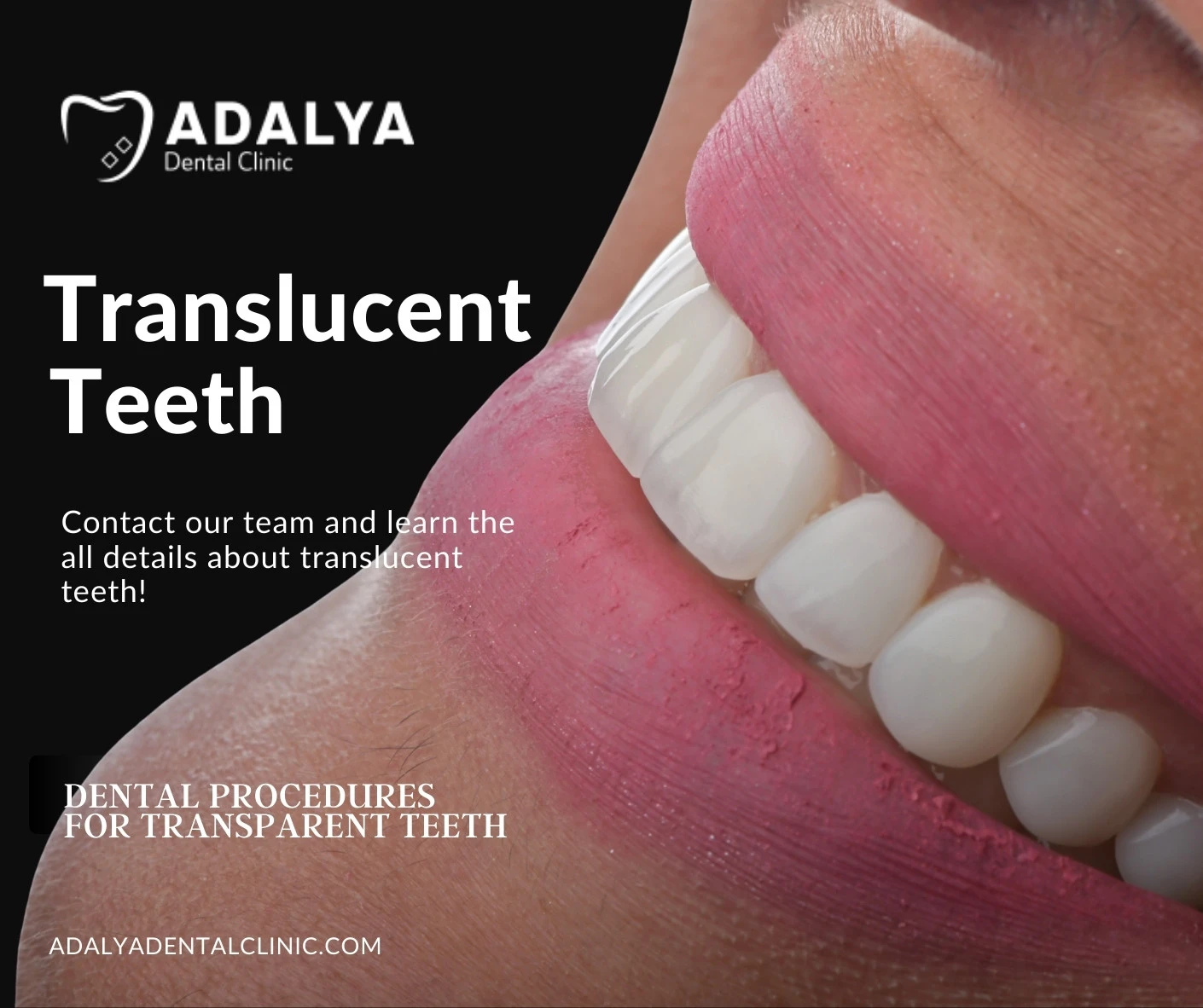
Translucent teeth are a condition where the edges of the teeth appear glassy and less opaque than the rest of the tooth due to enamel erosion. While translucent teeth are not always a cause for alarm, understanding causes and how to fix transparent looking can help maintain better oral health.
In this article, we will provide you with all the information you need by examining the causes, effects, and treatments of transparent teeth in more detail.
What Are Translucent Teeth?
The term “translucent teeth” refers to a condition where the teeth appear to be semi-transparent, especially at the edges. This phenomenon can be particularly noticeable when light shines through the teeth, making them appear almost see-through.
However, while this might seem like a minor aesthetic issue, it can be indicative of underlying dental health problems that need to be addressed.

Are Teeth Supposed To Be Translucent?
Some level of translucency in teeth is normal. Teeth are composed of several layers, and the natural translucency of the enamel can allow some light to pass through.
This trait can be particularly visible in the front teeth due to their thin edges. However, it’s important to know which characteristics indicate a normal range of translucency.
Characteristics of Normal Translucency in Teeth
- A slight see-through effect at the tooth’s edge
- No discomfort or increased sensitivity
- Overall tooth color remains consistent
However, if there is transparency in the teeth due to excessive enamel erosion, this is not considered normal and will require professional intervention.
Why Are My Teeth Translucent?
The semi-transparent appearance of teeth is not due to a single cause. Most of the time, multiple factors contribute to this effect. The fundamental mechanism is the thinning of the tooth enamel and the underlying dentine layer becoming more visible.
To better understand the causes of translucent teeth, it is necessary to examine the main factors affecting tooth enamel individually.
1- Enamel Erosion
The primary function of tooth enamel is to protect the tooth from external factors. However, over time, as this protective layer thins, teeth allow more light to pass through, resulting in a translucent appearance.
Habits such as brushing too hard, using the wrong toothbrush, and prolonged mechanical wear are among the most common causes of enamel loss. Therefore, as the enamel thins, teeth become more sensitive and begin to appear transparent.
2 – Genetic and Medical Factors
Genetic factors can influence enamel thickness and translucency. Some individuals may inherit thinner enamel, making translucency more noticeable.
Medical conditions can affect enamel development and health as well. Celiac disease, for instance, can result in weaker enamel.
This condition interferes with the body’s ability to absorb essential nutrients, leading to enamel deficiencies.
3 – Acid Erosion and Dietary Habits
Acidic drinks and foods can soften the tooth enamel, causing it to wear away over time. Because when foods such as fizzy drinks, citrus fruits, vinegar-based sauces and wine are consumed frequently, the enamel does not have a chance to repair itself.
In particular, sipping these types of drinks over a long period of time is a significant factor in accelerating tooth transparency.
4 – Teeth Clenching and Grinding (Bruxism)
The habit of teeth grinding and clenching creates constant pressure on the teeth. This situation causes mechanical wear, especially on the cutting edges of the front teeth. As a result, noticeable translucency may appear at the tips of the teeth.
5 – Reflux and Systemic Factors
In reflux disease, where stomach acid rises into the mouth, the teeth are exposed to strong acids. Over time, these acids can cause widespread erosion of the tooth enamel.
In addition, factors affecting enamel development during childhood, and certain systemic diseases can also contribute to teeth appearing more transparent.
6 – Translucency After Teeth Whitening
Frequent or uninformed teeth whitening procedures can weaken the enamel structure. In particular, the uncontrolled use of home teeth whitening products can cause thinning of the tooth enamel and translucency at the tips of the teeth.
For this reason, it is recommended that whitening procedures are always carried out under the supervision of a dentist.
3D Smile Design Technology with Adalya Dental Clinic
Great Results in Dental Implants & All Treatments in Turkey
Get In Touch With Adalya Dental Clinic!
How to Fix Translucent Teeth?
Depending on the level of tooth transparency, the problem of translucent teeth can be fixed with both natural and professional methods. However, the most important point here is the stage of the problem and which method is more appropriate based on the level of tooth transparency.
If tooth transparency and enamel damage are in the early stages, you can fix the translucent teeth problem yourself using certain natural methods.
How to Fix Translucent Teeth Naturally?
There are some methods to address translucent teeth naturally and improve enamel strength. These are:
- Eating calcium-rich foods like dairy and leafy greens
- Drinking water to maintain saliva levels
- Trying oil pulling for oral hygiene
- Using a soft-bristled toothbrush
- Choosing fluoride toothpaste to strengthen enamel
Consuming foods high in calcium and vitamin D supports enamel health and staying hydrated is essential. Also, consider trying oil pulling with coconut oil.
In addition, using gentle oral care products is vital and a soft-bristled toothbrush and fluoride toothpaste can prevent further damage.
Toothpaste For Translucent Teeth
Selecting the appropriate toothpaste is a critical step in managing and improving the condition of translucent teeth. Because not all toothpastes are created equal, and using the wrong type can exacerbate enamel erosion.
Specialized toothpastes are formulated to address the unique needs of those with enamel thinning, providing both protection and restoration.
Best Toothpaste For Translucent Teeth
When buying the best toothpaste specifically designed for translucent teeth, it’s crucial to choose one that contains essential ingredients like fluoride, hydroxyapatite, and potassium nitrate, which can make a significant difference.
The best toothpaste for translucent teeth, several brands stand out due to their effective formulations and positive customer feedback. These are;
- Sensodyne Pronamel (Contain fluoride & potassium nitrate)
- Sensodyne® Repair & Protect (Contain NovaMin® & fluoride)
- Colgate Enamel Health (Contain fluoride)
- Colgate® Sensitive Pro-Relief Enamel Repair (Contain potassium nitrate & pro-argin)
- Crest Pro-Health Advanced (Contain fluoride)
- Remin Pro Toothpaste (Contain hydroxyapatite, xylitol and fuoride)
- Boka Ela Mint Hydroxyapatite Toothpaste (Contain nano-hydroxyapatite calcium and phosphate)
- Apagard Premio (Contain nano-hydroxyapatite – fluoride free)
Contact Us > Whatsapp
Dental Treatments For Transparent Teeth Enamel
When natural remedies aren’t enough, professional treatments can offer solutions for translucent teeth. These treatments generally include fluoride treatments, composite bonding, porcelain veneers, zirconia, and emax crowns.
Fuoride For See-Through Teeth
Fluoride, through fluoride varnish and fluoride foam applications, transforms the hydroxyapatite crystals in tooth enamel into a more resistant fluorapatite structure, increasing the teeth’s resistance to acids, slowing mineral loss, and supporting remineralization in early-stage enamel loss, thus halting the progression of transparent teeth.
Dental Bonding For Translucent Teeth
Dental (composite resin) bonding is another effective method for translucent teeth. This procedure involves applying a resin to the teeth, which can conceal translucency. It also adds a protective layer, improving overall tooth strength.
Veneers & Crowns For Transparent Teeth
For more serious translucent and damaged teeth cases, porcelain veneers or crowns can be good options. Porcelain veneers are thin porcelain shells that cover the front surface of the teeth, while crowns cover the entire tooth.
Both options significantly improve the appearance and strength of your teeth, offering a more permanent solution to the problem of transparency and weak teeth.
Furthermore, veneers and crowns provide a healthier and more aesthetically pleasing transparent teeth appearance, visibly changing the patient’s overall dental and smile look.
looking for dental treatments abroad?
Affordable Turkey Teeth Package Deals With Us
Check Out Our Pages And Reach Our Expert Team
Preventing Further Enamel Erosion
The best way to deal with transparent teeth is prevention. However, this requires effective protection of tooth enamel. Protecting tooth enamel requires regular care and conscious habits.
A diet rich in calcium and vitamin D directly supports the health of tooth enamel. These nutrients help strengthen teeth against potential erosion. Dairy products and leafy green foods contain calcium and vitamin D and provide the body with essential nutrients.
In addition, good oral hygiene is very important. However, gently brushing teeth with a soft-bristled toothbrush and fluoride toothpaste protects tooth enamel and prevents further damage.
Key Prevention Tips For Translucent Teeth
- Eating foods rich in calcium and vitamin D
- Using fluoride toothpaste for daily brushing
- Limiting consumption of acidic and sugary foods
- Use night guard against to teeth grinding
Beauty of Transparent Teeth in Cosmetic Dentistry Procedures
Transparent teeth with veneers or crowns offer a multitude of aesthetic benefits that can significantly enhance one’s smile.
One of the primary advantages is the natural look they provide. Unlike opaque teeth, which can sometimes appear artificial, translucent teeth with porcelain veneers or crowns reflect light in a way that mimics the natural sheen of healthy enamel.
This creates an illusion of depth and vitality, making the teeth appear more youthful and vibrant.
Additioanally, another significant benefit is the way transparent teeth with veneers and crowns can improve the overall harmony of your smile. They can make your teeth appear more aligned and proportional, even if there are minor imperfections.
Popular Cosmetic Dentistry Procedures For Transparent Teeth
Achieving the desired level of transparency in teeth usually requires various aesthetic dentistry procedures. These dental procedures include porcelain veneers, crowns, and composite bonding.
However, the quality of the dentist and laboratory is crucial for achieving a high-quality tooth transparency effect in these treatments.
At Adalya Dental Clinic, we are able to provide the desired translucent teeth appearance with our all-inclusive Turkey teeth packages including veneers, crowns, and composite bonding treatments, thanks to our high-quality dental laboratory and expert dentists.
FAQ'S
You can find informations for translucent teeth, its causes and solutions by examining frequently asked questions.
Translucent teeth, often termed “see-through” teeth, usually result from enamel erosion. This erosion can thin the enamel, making teeth appear more transparent.
Below are some key causes of translucent teeth:
- Acidic and sugary diet: Contributes to enamel erosion.
- Teeth grinding (bruxism): Causes physical wear of enamel.
- Poor oral hygiene: Leads to bacteria growth and enamel damage.
- Certain medications: Some drugs can increase acid production.
Taking a proactive approach to dental care can prevent transparency problems in teeth and improve oral health. Various options are available to address this condition through natural methods or professional treatments.
However, early intervention is the most important factor in fixing the transparent teeth problem caused by enamel erosion.
Teeth naturally have some degree of translucency. A slight translucence is normal, especially at the biting edge. However, excessive translucency might indicate a problem.
Translucent teeth result from thinning of the enamel layer, and while not everyone experiences this, it is a common condition.
The undersides of teeth may appear transparent due to enamel erosion. Enamel, the outermost layer of teeth, can gradually wear away due to various factors.
Below are common reasons for translucency at the bottom of teeth:
- Acidic diet: Regular consumption of acidic foods and beverages.
- Brushing habits: Vigorous brushing with hard bristles.
- Acid reflux: Stomach acid exposure affects enamel over time.
- Genetics: Inherent predisposition to thinner enamel.
Some translucency is natural, but excessive translucency might indicate problems. For those experiencing excessive translucency, treatment options exist. Dental bonding, veneers and crowns are popular solutions. These can improve both function and aesthetics.
Teeth whitening may not be the best option for transparent teeth. On the contrary, this process can sometimes worsen the appearance by making the transparency more noticeable. Because whitening products usually work by bleaching the enamel, which can further thin the enamel.
Transparent teeth can be more than just a cosmetic issue. They can be a sign of enamel erosion, a serious dental health problem. Enamel acts as a barrier protecting teeth from decay and damage.
When enamel thins, teeth become vulnerable to various problems. Tooth sensitivity due to enamel thinning is a common issue and causes discomfort with hot, cold, or acidic foods.
Translucent teeth can sometimes be improved with appropriate dental treatments at an early stage. Although the enamel itself cannot be renewed, there are restorative methods such as composite bonding, porcelain veneers, and crowns to improve the appearance and function of the tooth.
Naturally addressing tooth transparency involves improving your daily oral hygiene routine and dietary habits. Therefore, applying certain natural methods can help strengthen tooth enamel and reduce transparency over time.
Home and daily routine remedies for transparent teeth:
- Calcium and Phosphorus-Rich Diet: Supports enamel strength.
- Fluoride Toothpaste: Promotes remineralization.
- Oil Pulling: Reduces bacteria, protects enamel.
- Limit Acids: Minimize enamel erosion.
First, limit acidic foods and drinks that can erode tooth enamel over time. Brush gently with fluoride toothpaste, usually twice a day. Consume foods rich in calcium and phosphorus, such as dairy products and leafy green vegetables.
Finally, water consumption also plays an important role in preventing the formation of transparent teeth.
Professional dental treatments can greatly enhance the appearance of translucent teeth. One of popular methods is dental bonding. Additionally, veneers and crowns are another effective treatment options.
Translucent teeth are teeth that appear partially transparent. This condition occurs due to thinning of the tooth enamel and is quite common.
Genetic disorders generally cause variability in severity among individuals. While family history is one factor in the likelihood of genetically influenced enamel problems, genetics is not the only factor contributing to transparent teeth.
